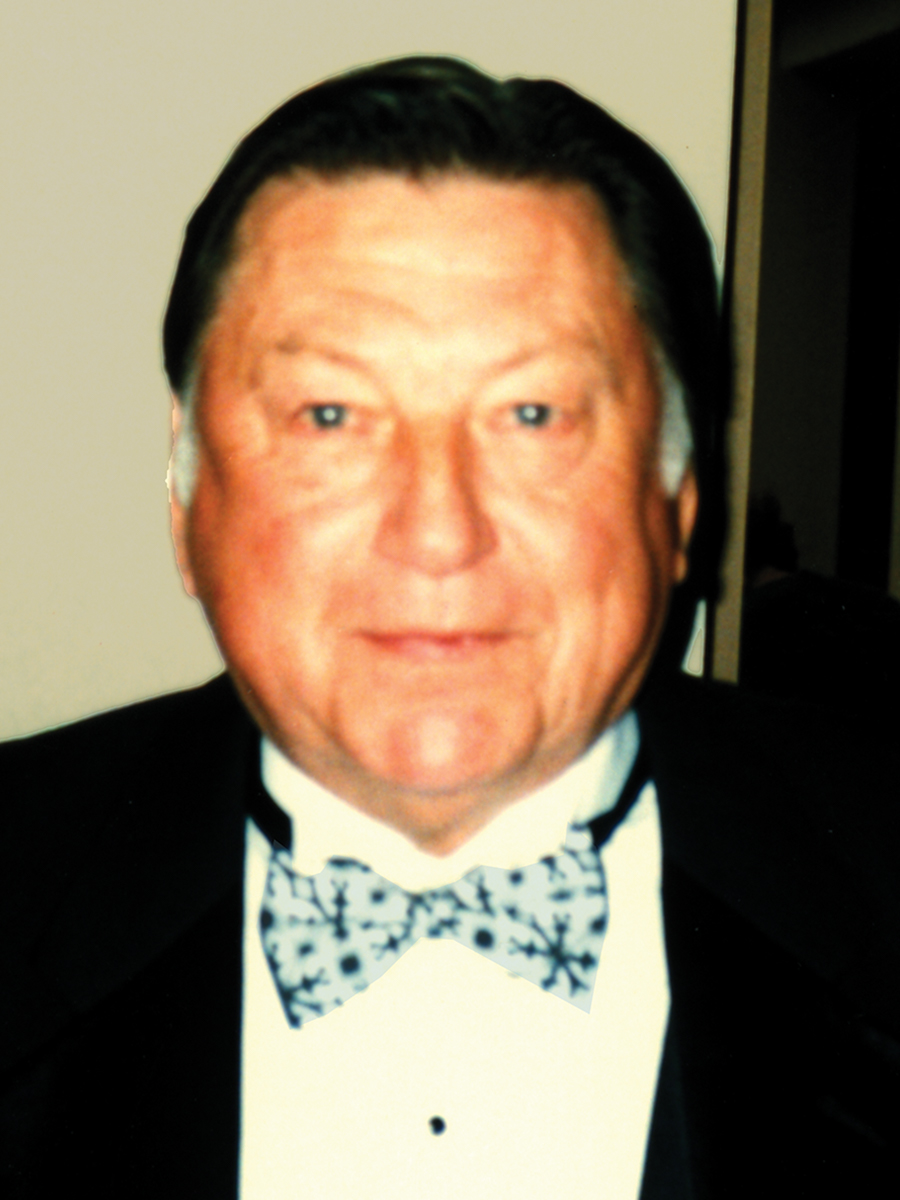
C. Anthony Friloux, Jr. built his career as a Houston trial and appellate lawyer at the forefront of the organized criminal defense bar's growth in the 1970s and 1980s. He served as the founding president of the Harris County Criminal Lawyers Association and went on to lead the Texas Criminal Defense Lawyers Association (TCDLA) as its second president in 1972. During his TCDLA presidency, the organization grew its membership substantially, supported legislative reform of the state's bail bond system, and began filing amicus briefs on issues of major significance to the rights of the criminally accused.
Friloux's practice extended well beyond criminal defense. In 1975, he argued Harris County Commissioners Court v. Moore before the United States Supreme Court, representing justices of the peace and constables who had been displaced from office by a Harris County redistricting plan and were fighting for reinstatement under the Equal Protection and Due Process Clauses.
Friloux later served as dean of the National College of Criminal Defense Lawyers and Public Defenders and became a leading voice for the National Association of Criminal Defense Lawyers, which he led as president in 1977–78. In his writing for the association, he was an outspoken advocate for the criminal defense bar's constitutional role, warning that "liberty, freedom, privacy and due process" were under sustained assault from prosecutors, legislators, and an uninformed public, and urging fellow defense lawyers to "organize and fight" to defend those rights.
Friloux also volunteered his services in one of the most fraught representations of the era: the defense of Wounded Knee occupation defendants in 1973, where he represented Francis Killer, a Lakota woman charged alongside several co-defendants in the first case set for trial following the standoff. He worked the case alongside fellow NACDL leaders Ron Meshbesher and Doug Thompson, and later described the visit to the reservation before trial — the poverty, fear, and bewilderment he witnessed there — as a turning point that convinced him he was committed to the case for the long haul.
C. Anthony Friloux, Jr. died before 2019, honored by both TCDLA and NACDL as one of the architects of the modern organized criminal defense bar.