Exclusive Content
Access to the page you selected is exclusive.
If you are a member or have acccess, Login
Members of NACDL receive access to exclusive content on the website along with many other benefits.

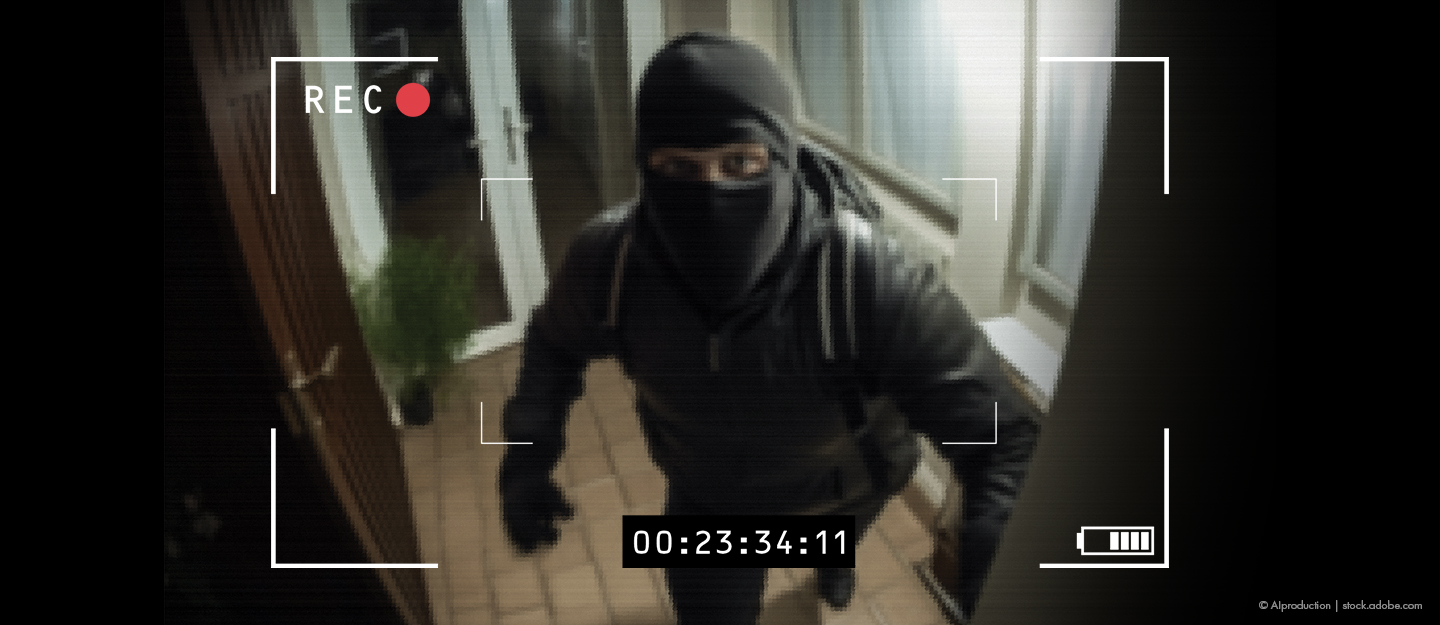
Imagine that a security camera video shows someone committing a robbery. The “witness” does not see it live but only views the video and then identifies the perpetrator. Called a “non-eyewitness identification,” this identification is a departure from a traditional eyewitness identification because it allows a person who was not at the scene and did not observe the event to put forward an opinion about what a video depicts. How can advocates prevent judges from admitting the less reliable non-eyewitness identifications into evidence?
Access to the page you selected is exclusive.
If you are a member or have acccess, Login
Members of NACDL receive access to exclusive content on the website along with many other benefits.