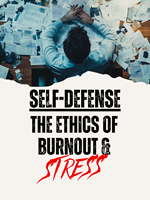
Self-Defense: The Ethics of Burnout & Stress for Defense Lawyers
The work we do defending allegations of sexual misconduct is among the most difficult work we could do, and among the most potentially damaging. We should take pride in our work, and joy in our gathering, but we must be aware of the damage that criminal defense can cause, and the ethical implications when we are not at our best. Every attorney must address their individual needs, and rely on their individual strengths. Doing either begins with recognizing what strengths we yield, and what burdens we carry. We wouldn’t do this work if we didn’t believe that our clients deserved the best, and that we can provide that service. Our ethical obligation to our clients requires us to maintain ourselves in a condition that leaves us ready and able meet our expectations of ourselves. We can do that.
This program is designed to help criminal defense lawyers recognize, manage, and prevent burnout while continuing to perform at a high level in the most emotionally demanding cases. Drawing directly from real courtroom experiences, neuroscience, ethics, and trial practice, the training explains how chronic stress, secondary trauma, and emotional overload affect lawyers’ judgment, preparation, communication, and decision-making—and what can be done to counteract those effects before they compromise clients or careers. Perhaps most importantly, this program connects self-care directly to winning cases.
Rather than treating wellness as an abstract or aspirational concept, this program reframes lawyer mental health as a trial skill. It shows how unmanaged stress narrows focus, impairs working memory, increases avoidance behaviors, and leads to unforced errors in court, while practical self-regulation techniques help lawyers stay present, persuasive, and strategic during voir dire, hearings, cross-examination, and argument. Viewers learn concrete methods for keeping the brain’s executive functions online under pressure—skills that directly translate to clearer thinking, better advocacy, and more effective courtroom performance.
The program also addresses the ethical consequences of burnout, explaining how stress and secondary trauma can quietly undermine competence, diligence, client communication, and professional judgment. Lawyers are given tools to recognize early warning signs in themselves and others, set sustainable boundaries without harming clients, and create routines that support long-term effectiveness in high-stakes criminal practice. These strategies are presented not as self-care platitudes, but as necessary professional safeguards that protect both lawyers and the people they represent.
Throughout the training, practical courtroom applications are emphasized. Lawyers see how grounding techniques, stress-management tools, and awareness of cognitive overload can be used in real time—at counsel table, during witness examinations, and in moments of intense conflict—to maintain credibility with judges and jurors. The result is a program that helps lawyers not only survive this work, but do it better, longer, and more effectively.
Prices
- List Price $39.00
- Member Price $29.00