Documents
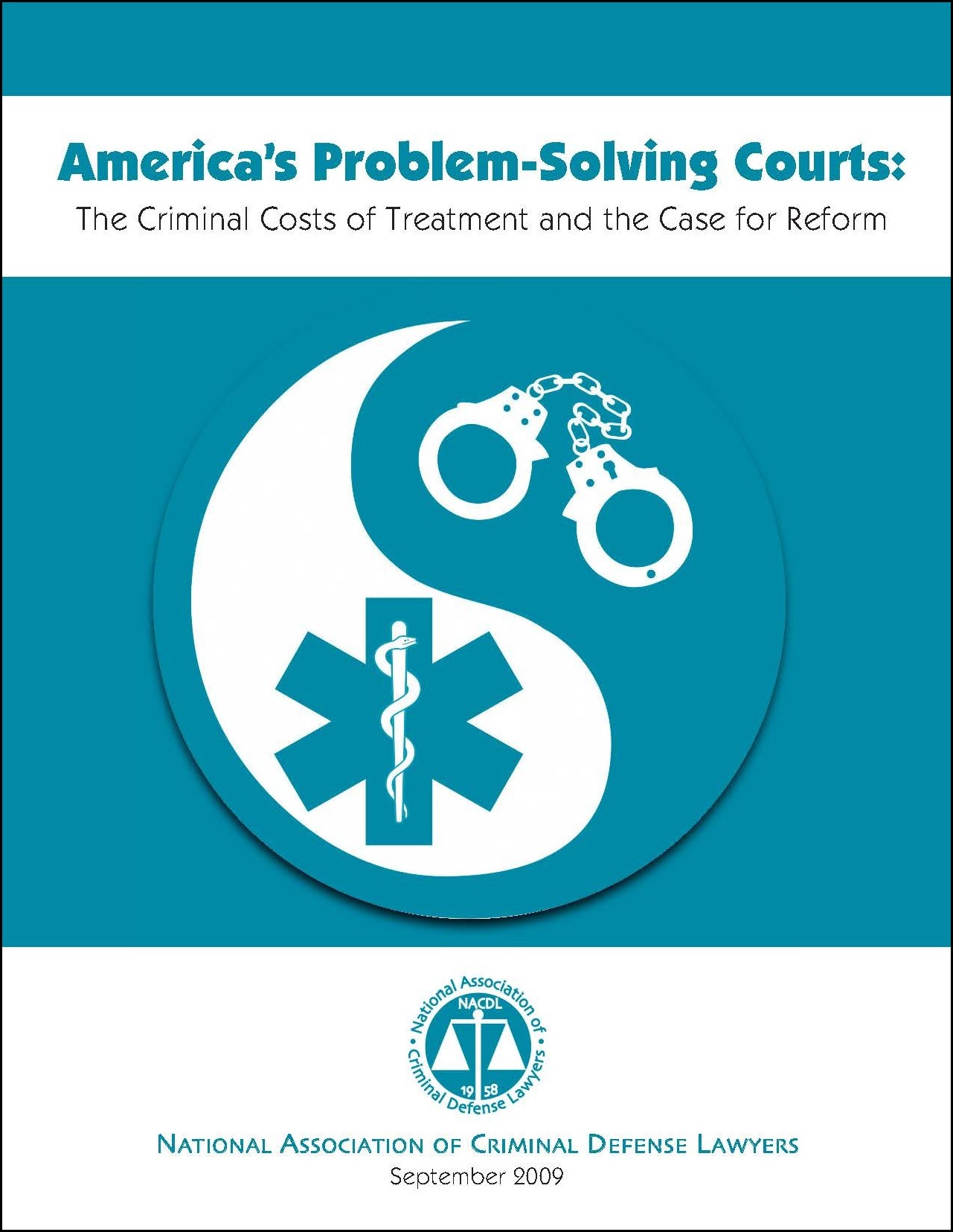 To fully understand the ramifications of Problem-Solving Courts, the Task Force conducted seven hearings throughout the country in San Francisco, Miami, Tucson, New York, Milwaukee, Austin and the District of Columbia. The intent of this report is to seek implementation of the recommendations in jurisdictions throughout the country. Linked at the bottom of this page are more documents from the task force's work and the hearings held.
News Release ~ 09/29/2009
Drug Courts Endanger Rights, Block Access To Needed Treatment for Drug Users - Washington, DC (September 29, 2009) – Drug courts – first created 20 years ago as an emergency response to an epidemic of drug-related criminal cases that clogged courts and prisons – have in many places become an obstacle to making cost-efficient drug abuse therapy available to addicts and reducing criminal case loads, the nation’s largest association of criminal defense attorneys said today.
Watch the Task Force Hearing Summary
Supported by NFCJ
The NACDL Foundation for Criminal Justice preserves and promotes the core values of the National Association of Criminal Defense Lawyers and the American criminal justice system.
Support Us NowThese are sponsored ads

Featured Products
-
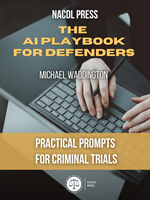
The AI Playbook for Defenders: Practical Prompts for Trials
This book is a practical AI prompt system for serious criminal defense lawyers who want to use artificial intelligence without surrendering strategy, judgment, or control. It is not a collection of generic prompts. It is a structured defense workflow that helps lawyers organize discovery, test theories, identify proof failures, prepare witnesses, challenge forensic evidence, draft motions, build cross-examinations, prepare trial strategy, and protect clients from collateral consequences.
-
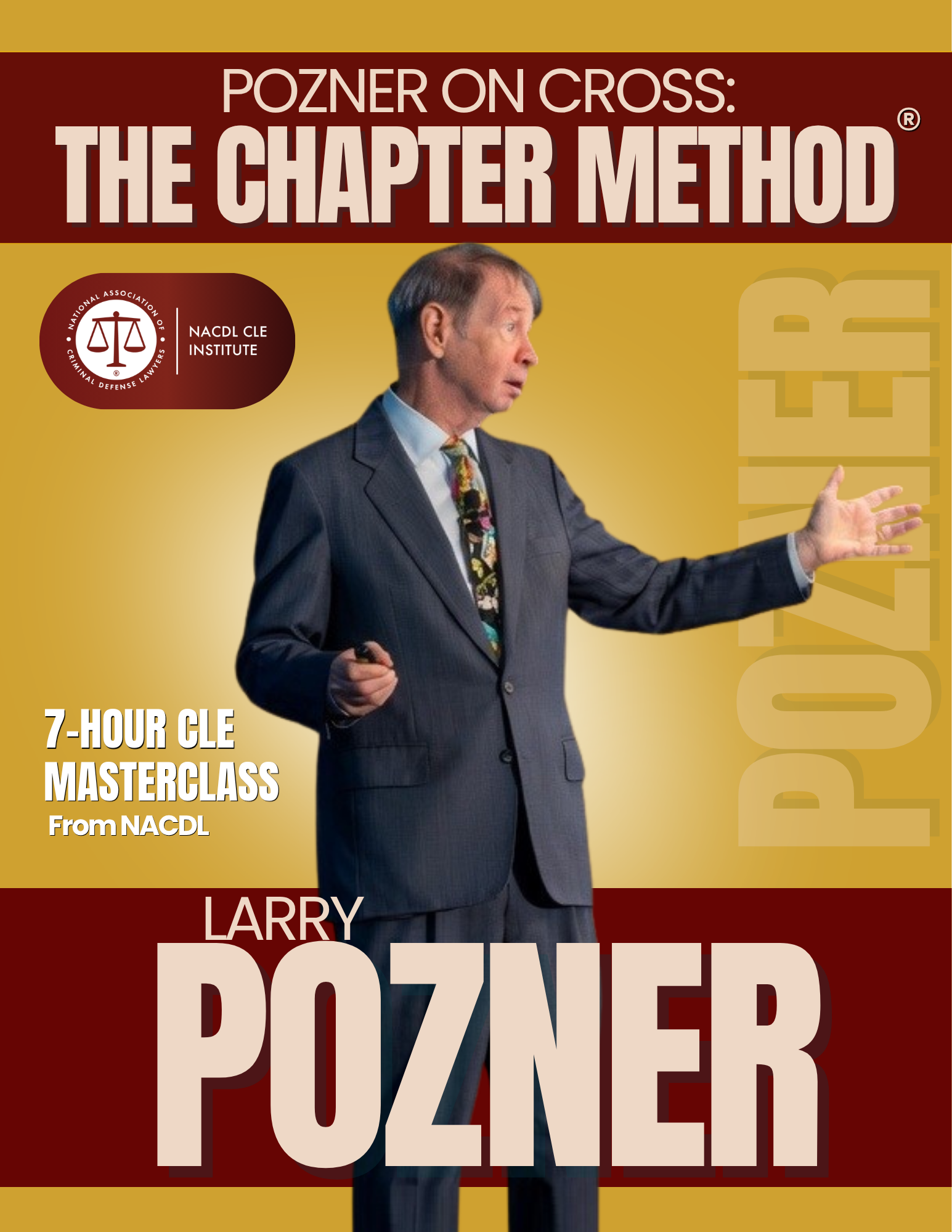
Pozner on Cross: The Chapter Method (7-Hours)
Pozner on Cross: The Chapter Method, is a 7-hour masterclass that teaches a structured approach that organizes cross examination into short, fact-based, story-driven chapters. The method enables lawyers to maintain control of the witness, secure key admissions, and present facts with clarity and precision. Designed for use under the stresses of trial, the course provides practical tools for writing and delivering effective cross examinations with confidence. The techniques of Chapter Method cross-examination work regardless of the field of practice, or the level of a lawyer’s experience.
-
Criminal Evidence Disclosure & Admissibility Handbook
This handbook covers a wide range of crucial topics, including defending against the admission of 404(b) evidence, challenging bad character evidence, and litigating the admissibility of expert testimony. It offers a deep dive into the requirements of Brady and Giglio and uncovering discovery violations and exculpatory evidence before trial. With dedicated sections on digital evidence, forensic analysis, informant disclosures, and suppression hearings, this guide arms defense attorneys with the tools necessary to combat unreliable or improperly admitted evidence.
-
Cross-Examination: Science & Techniques - 4th Edition
Considered the go-to authority for more than 30 years, Pozner and Dodd’s Cross-Examination: Science and Techniques has trained generations of trial attorneys to turn cross-examination into their most powerful courtroom weapon. Its Fourth Edition is now available. This first new edition in seven years adds important material on how to use opening statements to pre-sell your cross-examinations, change the focus of the case, and make your best chapters dominate deliberations—plus a full chapter on cross-examining the crying witness. This is the book that changed how cases are tried.
-
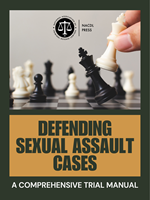
Defending Sexual Assault Cases: A Comprehensive Trial Manual
Defending Sexual Assault Cases: A Comprehensive Trial Manual is not another sex crimes book—it is a strategic operations plan for dismantling narrative-driven prosecutions, built around how jurors actually decide sex crime cases rather than procedural checklists. It explains the moral risk calculus jurors face, the emotional architecture behind verdicts, and how prosecutors win through narrative stacking rather than proof. Most importantly, it shows you how to give jurors a morally defensible path to acquittal.
-
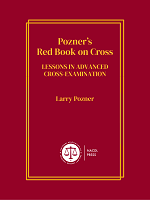
Pozner's Red Book on Cross: Lessons in Advanced Cross-Examination
This compact handbook brings together over 20 of Larry Pozner’s most powerful cross-examination articles, covering core principles and advanced strategies for witness control, impeachment, chaptering, and framing reasonable doubt. Packed with scripting examples, real-world scenarios, and tactical insight, it shows how to press or pivot with purpose, drop weak points, and keep cross disciplined. Whether dismantling an officer’s account, challenging an eyewitness, or exposing investigative gaps, Pozner’s field manual delivers courtroom-ready tools to win.
Upcoming Events
Featured Events
-
11 Nov 2026
2026 Defending Sexual Assault Cases Training Seminar
-
18 Nov 2026
Ethical and Strategic Advocacy for LGBTQ+ Clients
-
04 Dec 2026
Your Body, Their Evidence: Surveillance and Criminalization After Dobbs
-
08 Dec 2026
Crafting the Case, Shaping the Story: Trial Skills from Preparation Through Verdict